
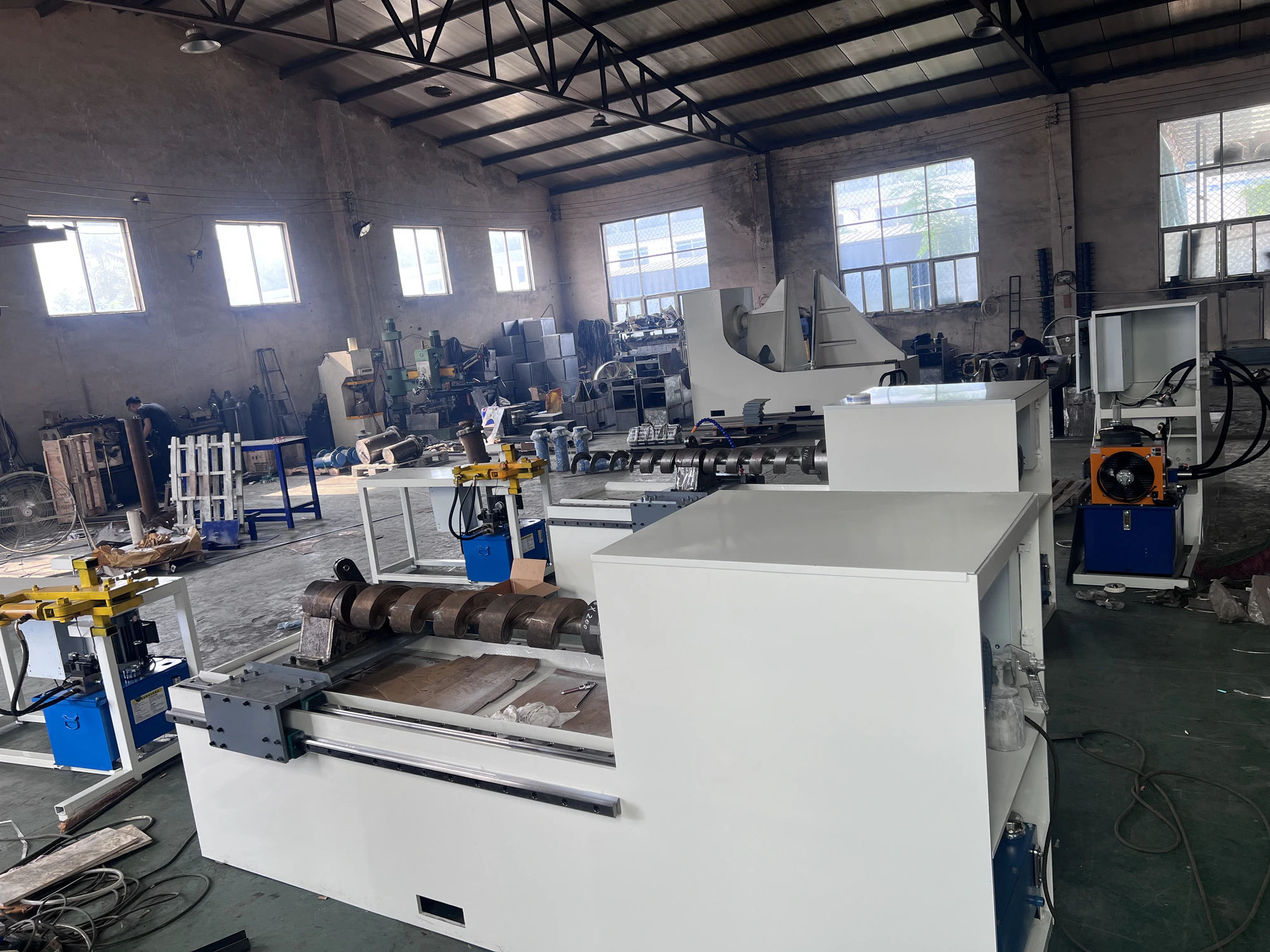
Forming machinery
Continuous Screw Flight Winding Machine
Compare HW5, HW10, HW20 and HW30 winding machines for continuous constant-thickness screw flight production.
Engineering fit
Built around the dimensions, material and production target that matter
Compare HW series mould-winding machines by strip thickness, pitch, outside diameter and maximum strip width.
Use the stated range as a practical starting point. We confirm the final configuration against your drawing, material and operating conditions.
Discuss this product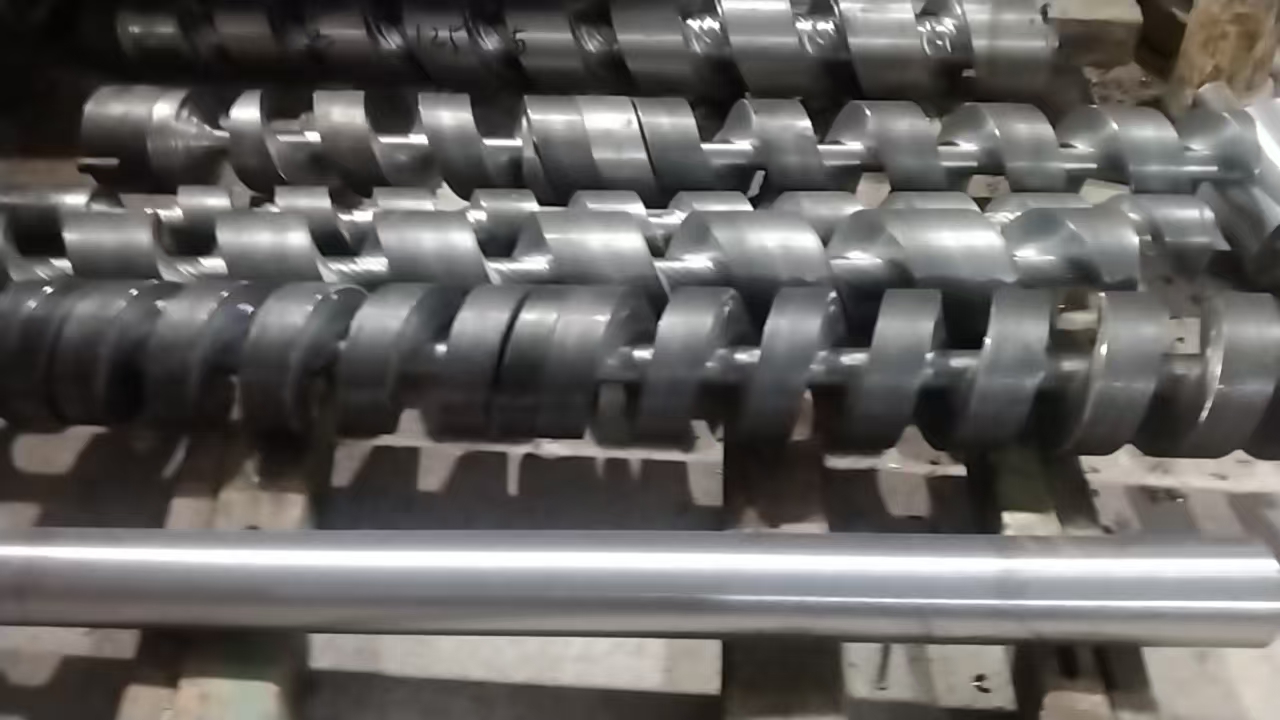
- Continuous flight manufacturing
- Equal-thickness flighting
- Batch production
- Custom spiral forming
Product data
Product Specifications
| Parameter | Specification |
|---|---|
| Documented models | HW5, HW10, HW20 and HW30 |
| HW5 | 2–5 mm thickness; 20–120 mm pitch; 120 mm max OD; 30 mm max strip width |
| HW10 | 2–10 mm thickness; 100–300 mm pitch; 300 mm max OD; 60 mm max strip width |
| HW20 | 10–20 mm thickness; 100–300 mm pitch; 300 mm max OD; 80 mm max strip width |
| HW30 | 16–30 mm thickness; 250 mm max OD; 80 mm max strip width |
| Catalogue supply for HW5–HW20 | 380 V / 3-phase / 50 Hz |
| Forming route | Continuous mould winding; the catalogue also describes high-frequency heating for the hot-forming route |
Size reference
Available Dimension Range
Typical sizes are shown below. Custom dimensions can be produced based on your drawing or requirements.
| Parameter | HW5 | HW10 | HW20 |
|---|---|---|---|
| Power Kw 380V/3Ph/50Hz | 5.5 kW | 7.5 kW | 7.5 kW |
| Machine Size L*W*H mm | 3000*900*1200 | 3000*900*1200 | 3000*900*1200 |
| Machine Weight kg | 1000 | 2500 | 3500 |
| Pitch Range mm | 20-120 | 100-300 | 100-300 |
| Max OD mm | 120 | 300 | 300 |
| Thickness mm | 2-5 | 2-10 | 10-20 |
| Max Width mm | 30 | 60 | 80 |
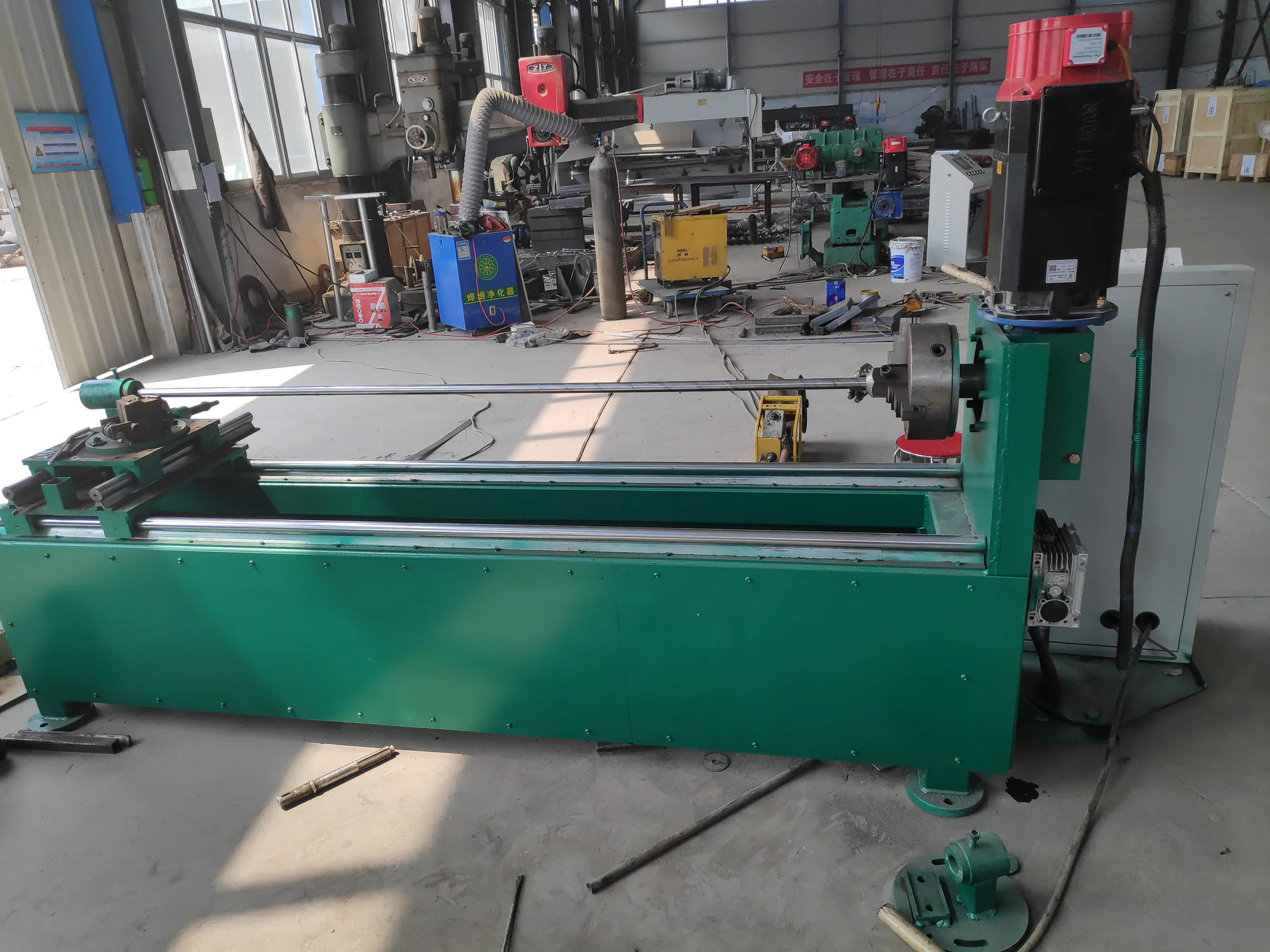
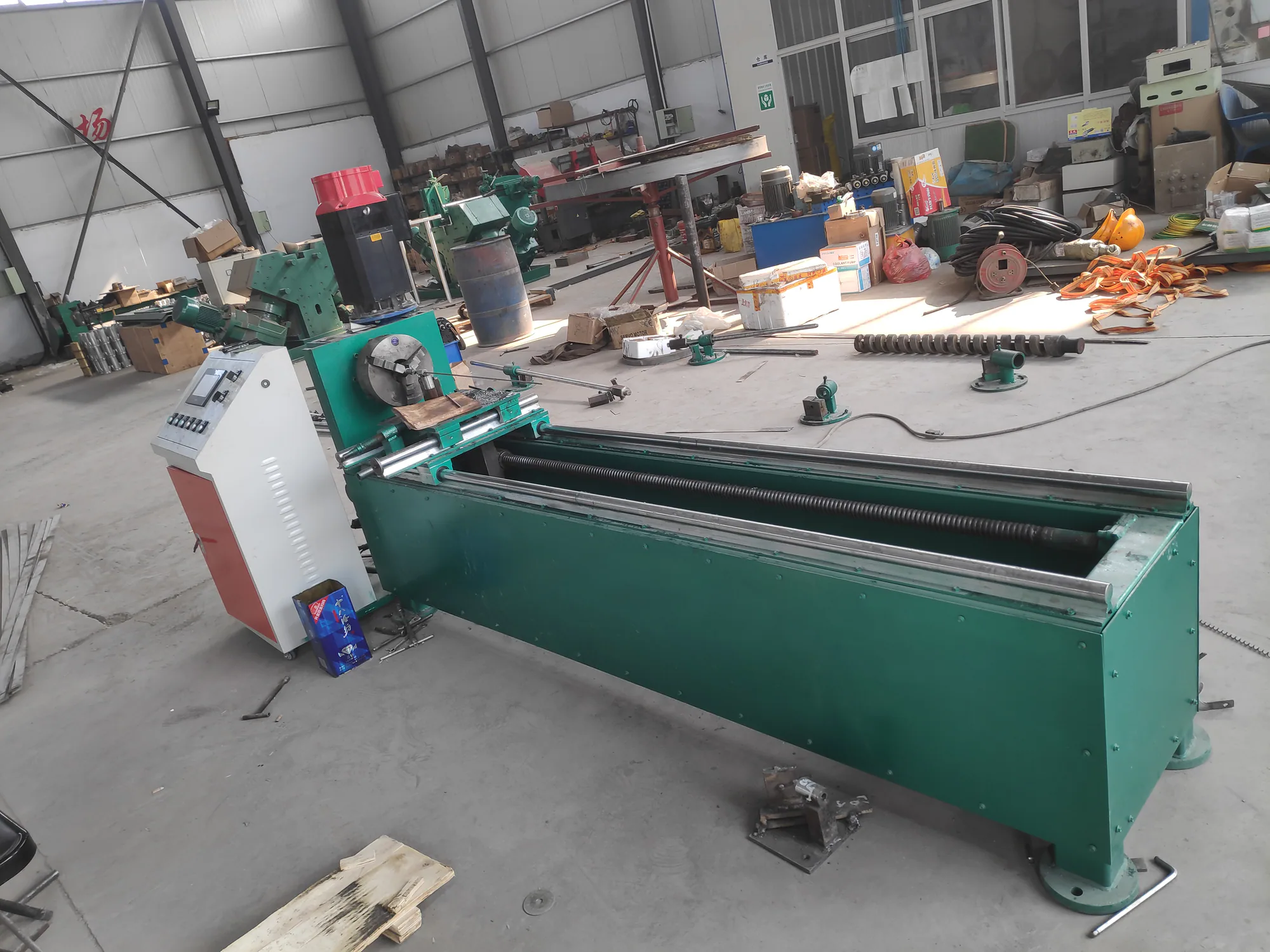
Workshop reference
Product and process views
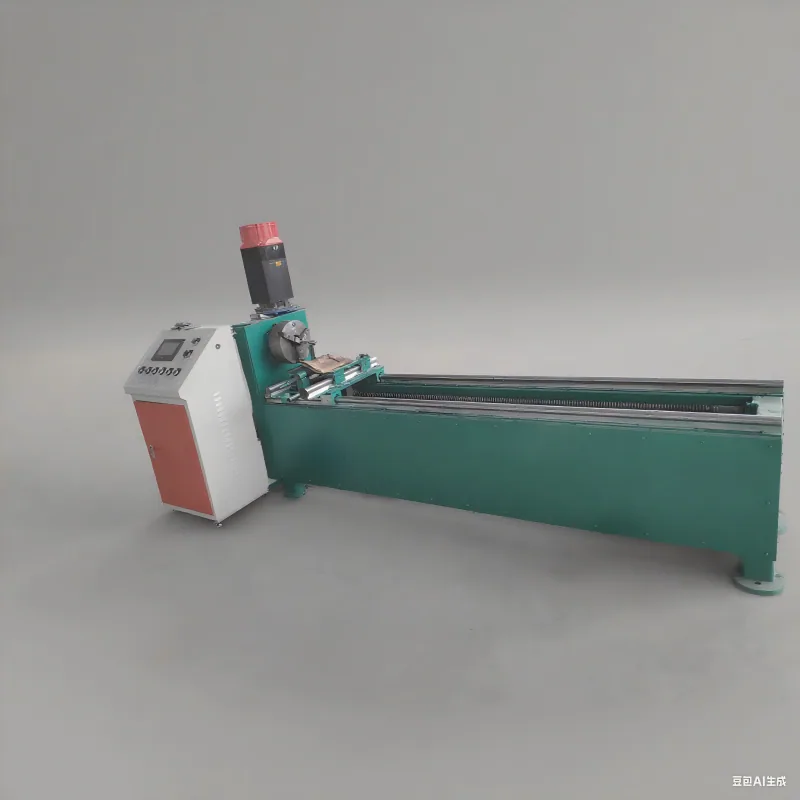
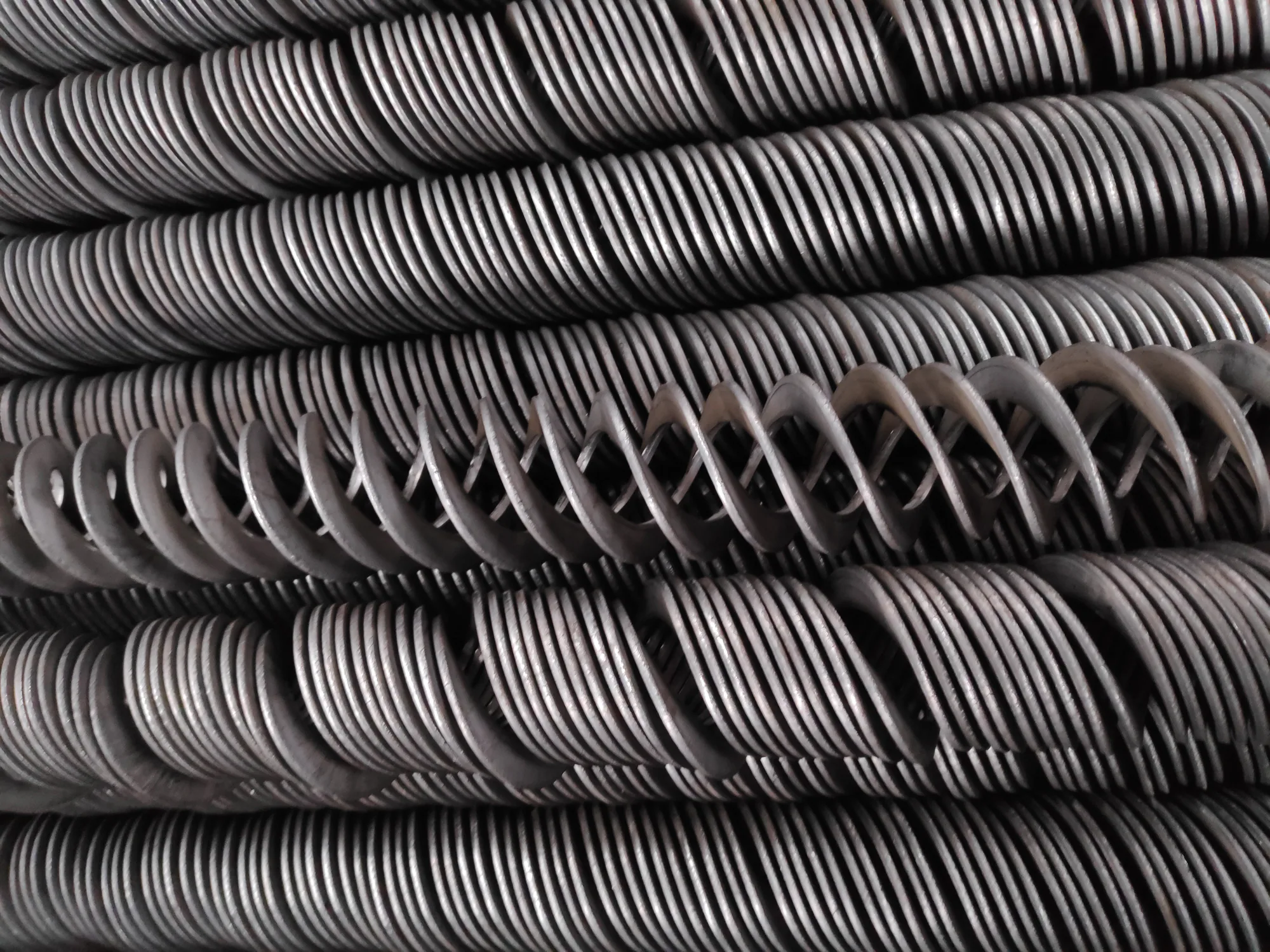
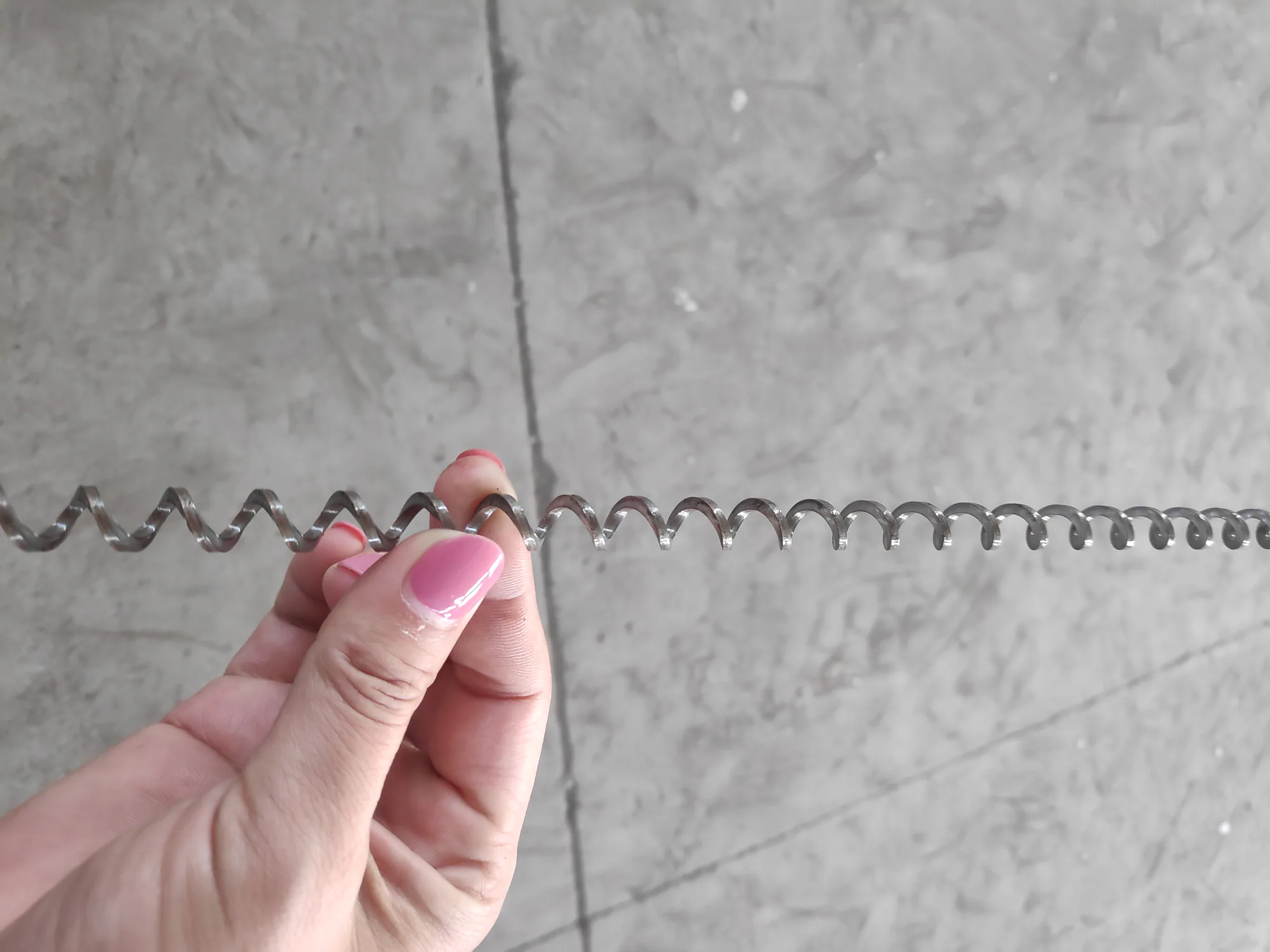
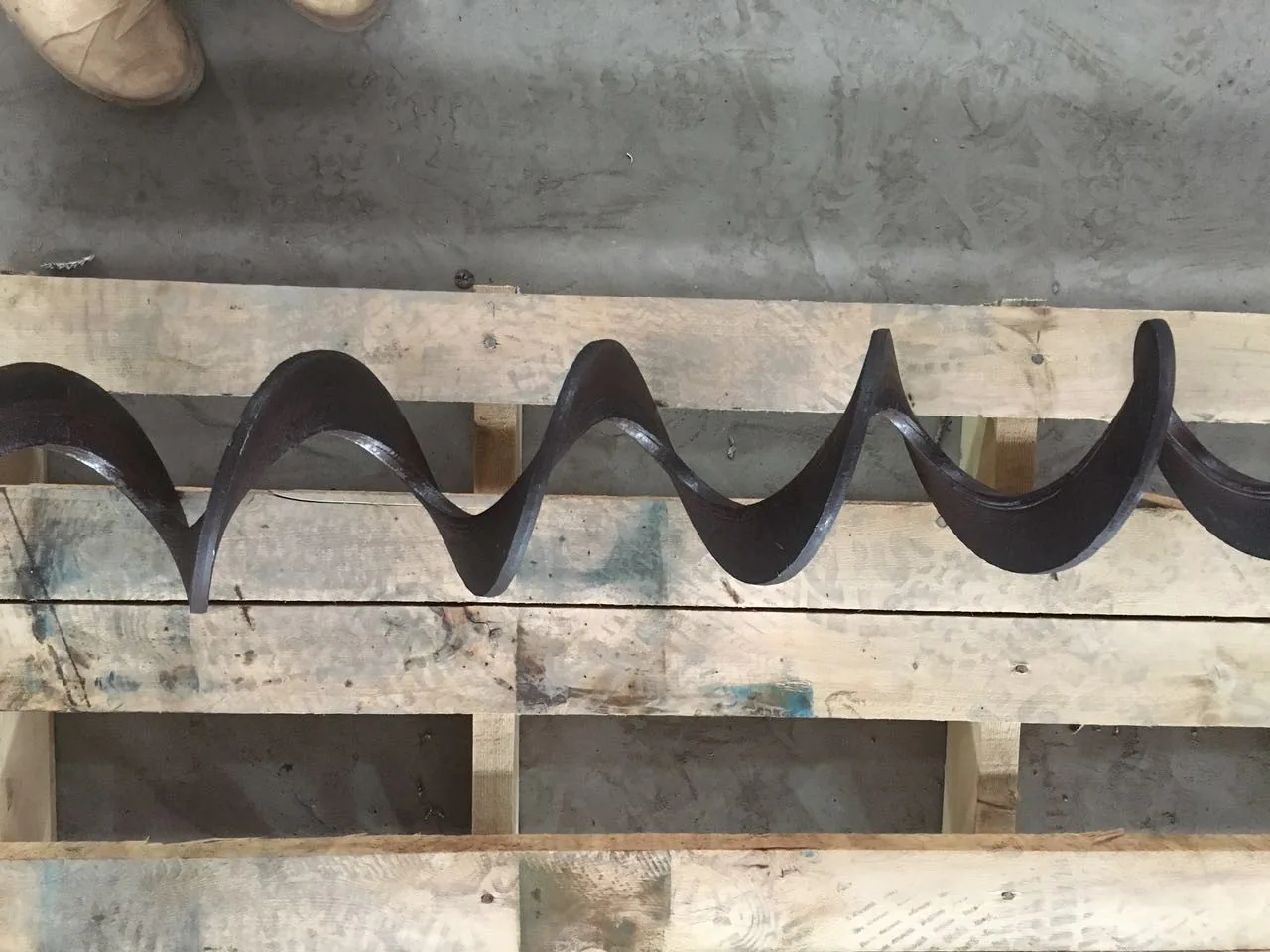
How it works
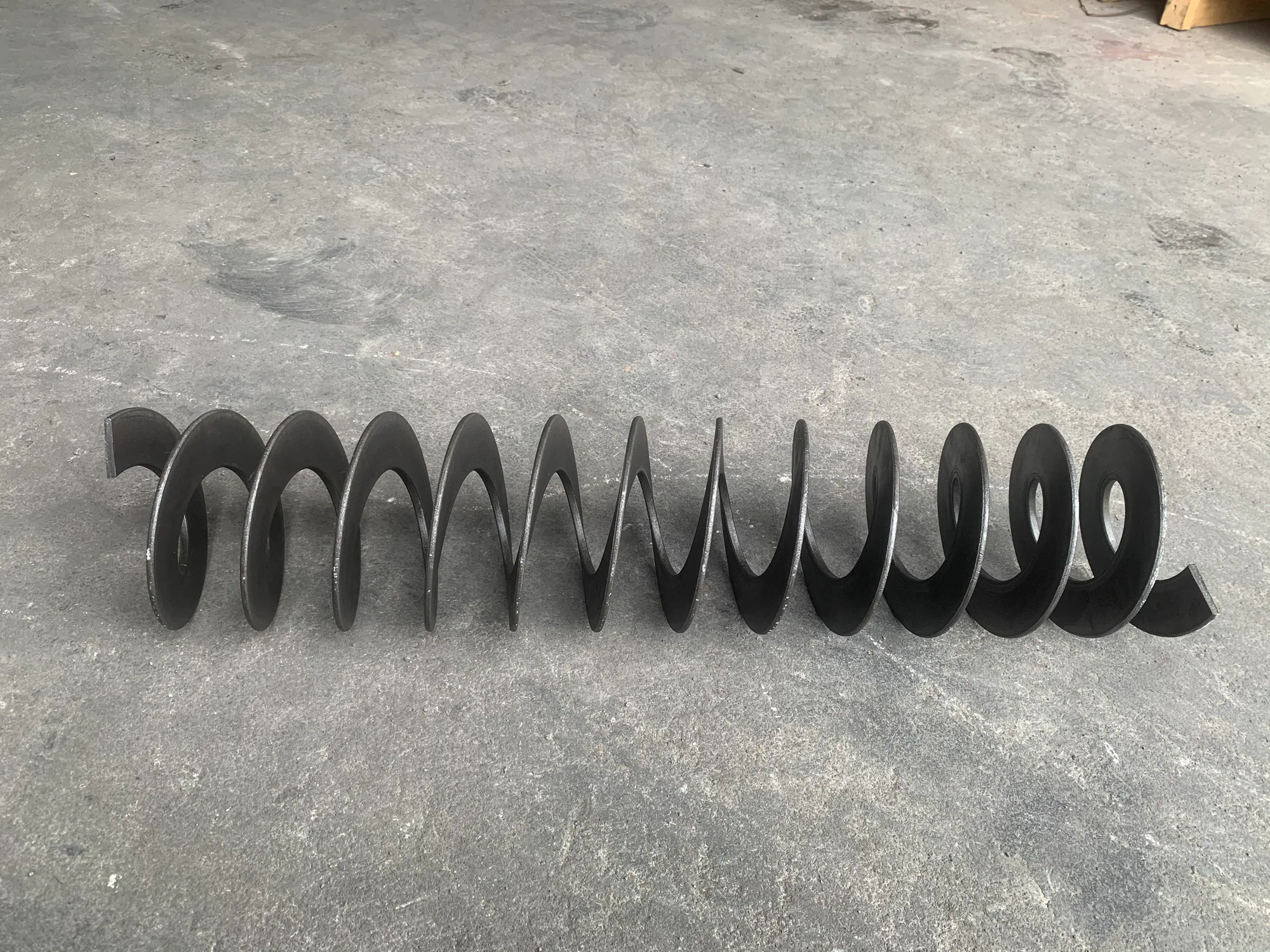
The HW series uses continuous mould winding to form a screw flight from strip around a rotating spindle. The catalogue describes feeding and, where needed, straightening the strip, guiding it around the spindle, forming it with a mould, then cutting and trimming the continuous flight. The catalogue also describes high-frequency furnace heating for its hot-forming route; the heating and forming scope must be confirmed for the selected model and material.
Constant-thickness flight
The catalogue describes the wound flight as continuous and equal in inner- and outer-edge thickness. Whether a target drawing can meet its required dimensions and tolerances depends on the strip, tooling and forming route; confirm this with representative parts before ordering.
Documented HW5, HW10 and HW20 models
| Model | Motor | Weight | Machine size | Pitch range | Max OD | Strip thickness | Max strip width |
|---|---|---|---|---|---|---|---|
| HW5 | 5.5 kW | 1,000 kg | 3,000 × 900 × 1,200 mm | 20–120 mm | 120 mm | 2–5 mm | 30 mm |
| HW10 | 7.5 kW | 2,500 kg | 3,000 × 900 × 1,200 mm | 100–300 mm | 300 mm | 2–10 mm | 60 mm |
| HW20 | 7.5 kW | 3,500 kg | 3,000 × 900 × 1,200 mm | 100–300 mm | 300 mm | 10–20 mm | 80 mm |
The PDF lists 380 V, three-phase, 50 Hz with this table. These figures are catalogue references; do not assume that all limits apply simultaneously to a particular flight drawing.
HW30 hot-forming reference
The separate HW30 slide lists 16–30 mm strip thickness, 250 mm maximum OD and 80 mm maximum strip width for heavy-duty hot forming. It does not publish motor power, machine weight, pitch range, dimensions or supply voltage for HW30. Confirm these details and the heating equipment in the technical quotation rather than carrying figures over from HW5, HW10 or HW20.
Electrical and control confirmation
The HW5, HW10 and HW20 catalogue table lists 380 V, three-phase, 50 Hz and the motor powers above. Confirm the destination voltage, frequency, controls, safety requirements and any heating equipment for the selected configuration. The PDF does not establish a standard automatic-control package.
Mould, spindle and guides
The mould and spindle establish the winding route for the selected section, while guides control strip entry and stability. Provide drawings for the planned product range so included forming sets, change parts, setup method and trial material can be listed clearly in the quotation.
Quotation checklist
For a meaningful equipment proposal, send target OD, ID, pitch, material, strip thickness and width, expected length and output requirement. Also include:
- Flight hand, dimensional tolerances and representative drawings
- Coil dimensions, incoming strip condition and loading method
- Required mould and spindle sets across the product range
- Factory voltage, phase, frequency and available connected load
- Preferred control functions and destination safety requirements
- Cut-off method, exit support and downstream assembly process
- Floor plan, lifting access and planned operator position
Before quotation
Frequently asked questions
Use these answers as a starting point. Final geometry, material and equipment scope are confirmed from the project information.
What information is needed to select a winding machine?
Send the flight OD, ID, pitch, thickness, hand and length together with strip width, grade, batch size and representative drawings.
Are the mould and spindle included?
The forming set is matched to the approved flight range. Included moulds, spindle, guides and change parts must be listed in the quotation.
What electrical supply does the catalogue list?
The HW5, HW10 and HW20 table lists 380 V, three-phase, 50 Hz. Confirm any destination-specific supply and the HW30 electrical configuration before quotation.
Is an HW30 motor power or pitch range published?
Not in this catalogue. The HW30 slide lists 16–30 mm thickness, 250 mm maximum OD and 80 mm maximum strip width only; other specifications require confirmation.
What trial material should be prepared?
Trial stock should match the intended strip grade, width, thickness and incoming condition. Quantity is agreed from the number of products and tooling sets to be proven.
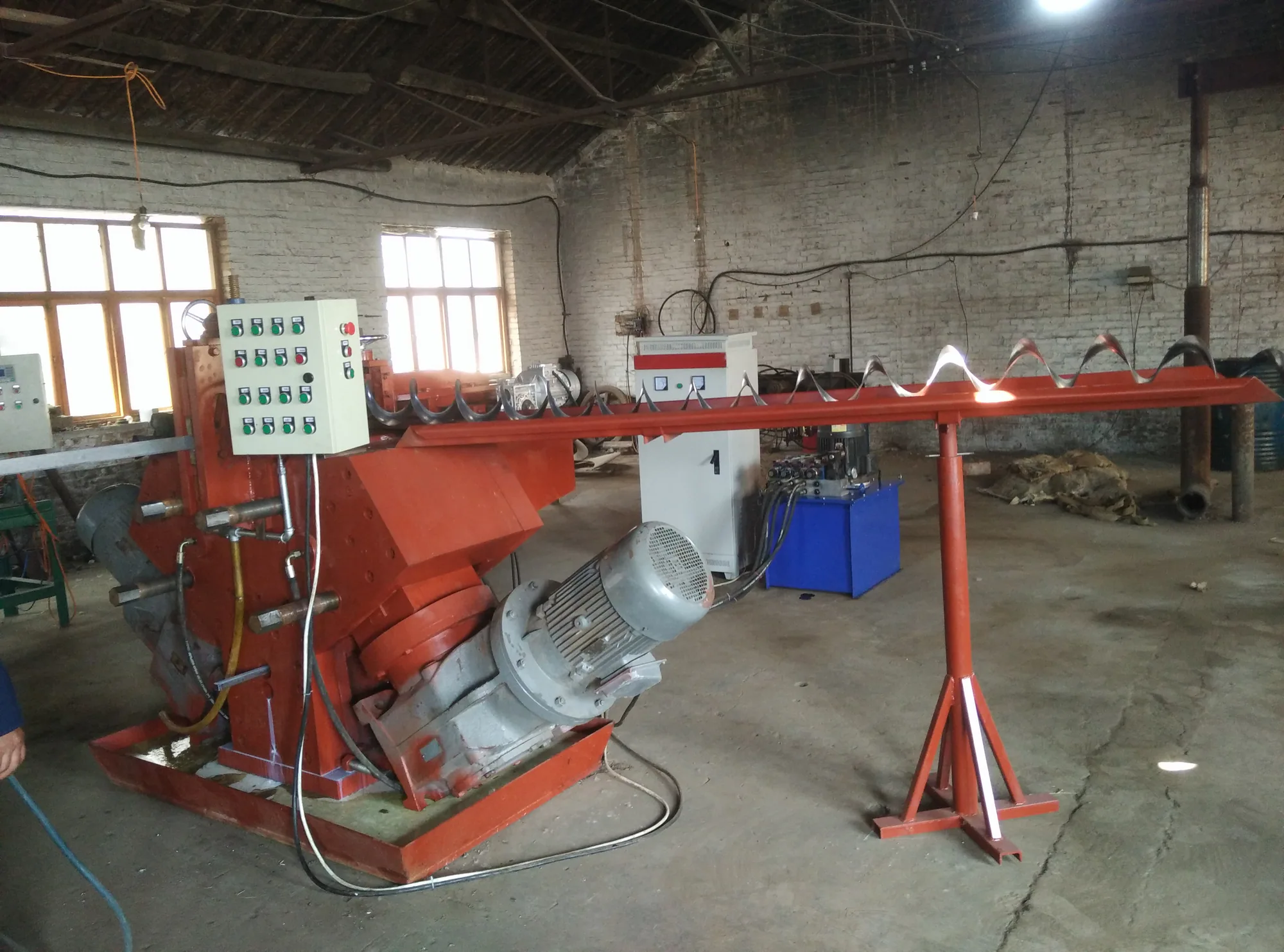
Continuous Screw Flight Cold Rolling Machine
A model-selection page for workshops planning continuous cold-rolled flight production across different strip widths, thicknesses and output targets.
View details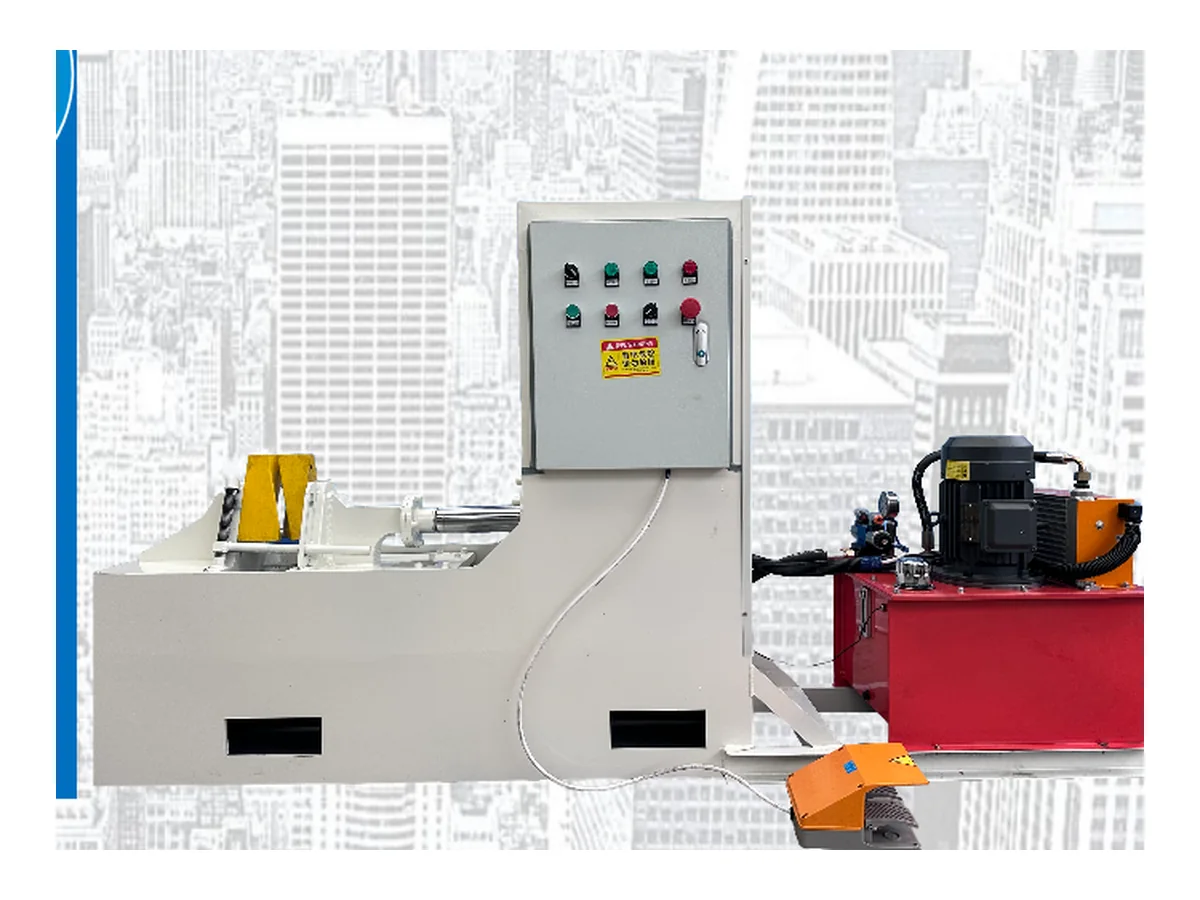
HP100 Sectional Flight Forming Machine
The HP100 catalogue configuration uses a 20-ton hydraulic cylinder and a 3 kW motor for sectional flight forming.
View details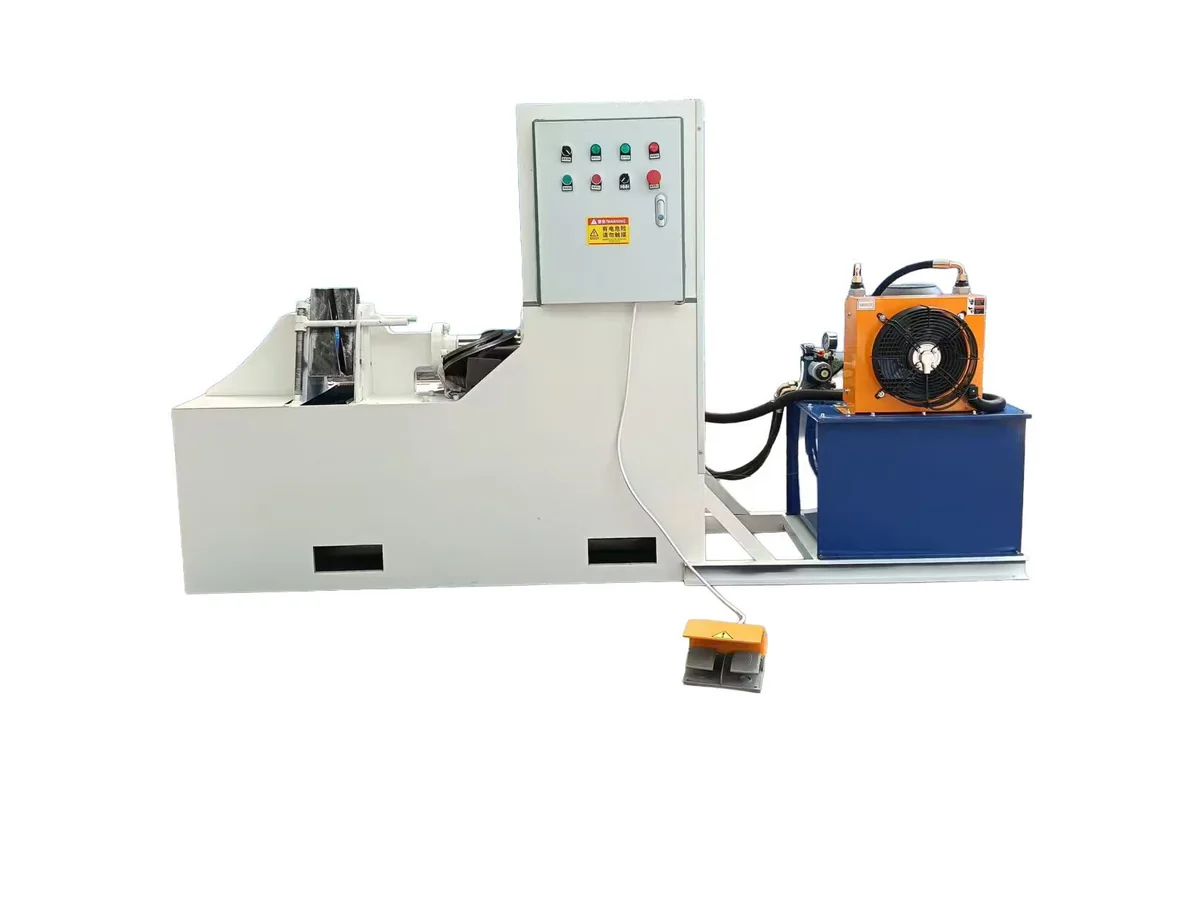
HP140 Sectional Flight Forming Machine
The HP140 catalogue configuration uses a 30-ton hydraulic cylinder and a 4 kW motor.
View details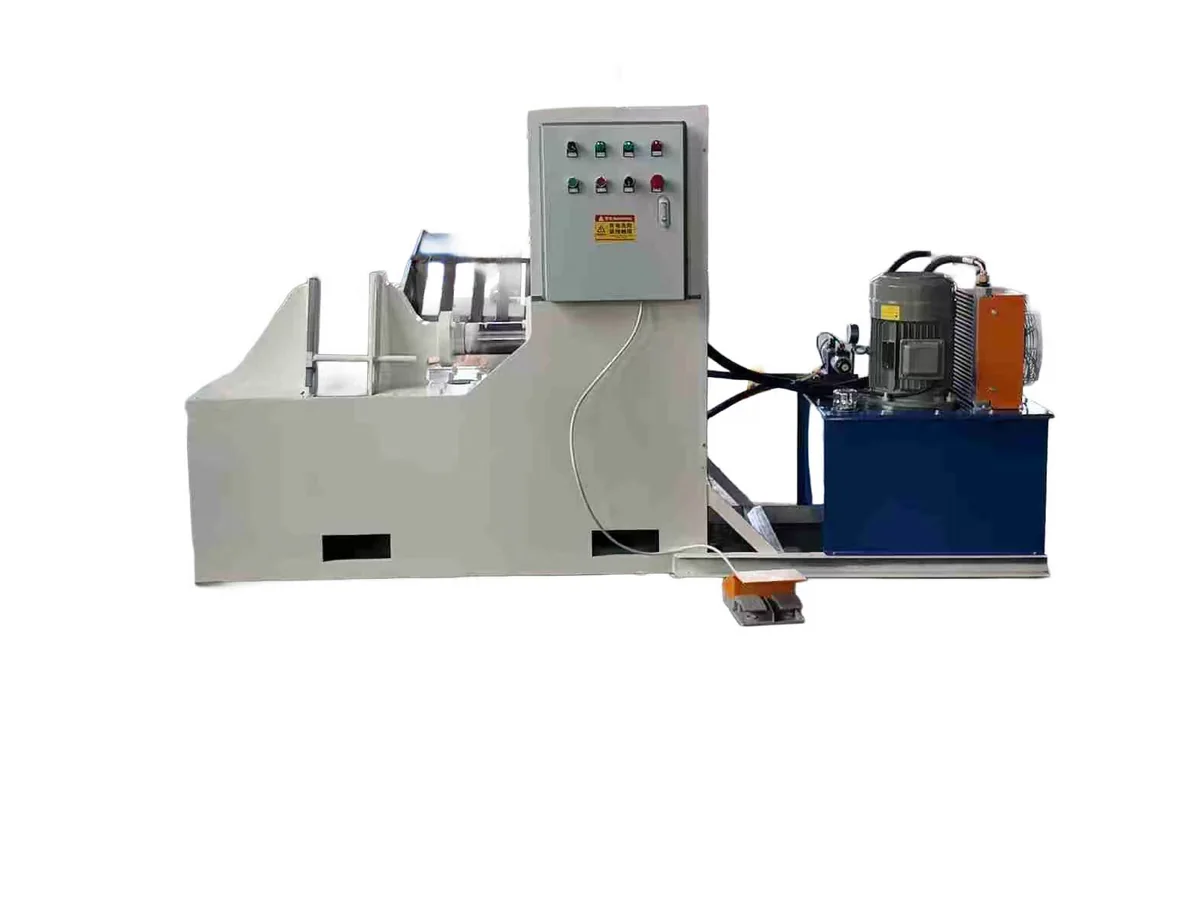
HP150 Sectional Flight Forming Machine
The HP150 catalogue configuration lists a 700 mm maximum OD, 900 mm maximum pitch and 30-ton hydraulic cylinder.
View detailsEngineering review
Discuss your Continuous Screw Flight Winding Machine requirement
Share the diameter, pitch, thickness, material, quantity and application. Our team will review the manufacturing route before quoting.