
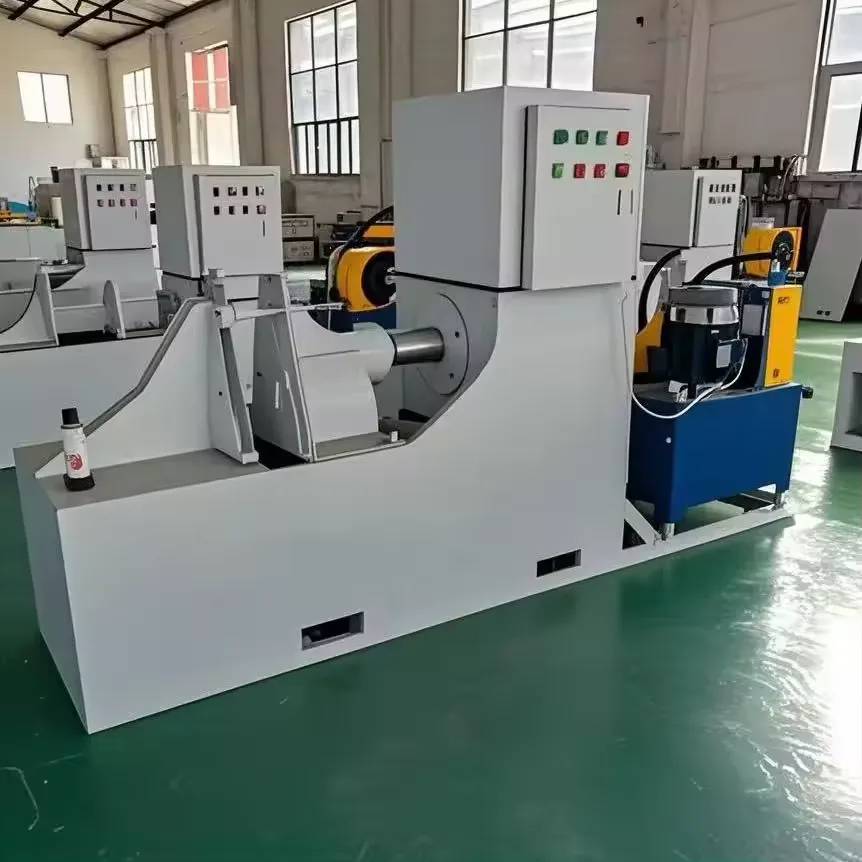
Forming machinery
Sectional Flight Forming Machine Range
Compare HP100, HP140, HP150, HP180 and HP850B hydraulic sectional flight forming machines using the HP Series catalogue specifications.
Engineering fit
Built around the dimensions, material and production target that matter
Compare five HP hydraulic pressing machine configurations for individual sectional spiral blade blanks.
Use the stated range as a practical starting point. We confirm the final configuration against your drawing, material and operating conditions.
Discuss this product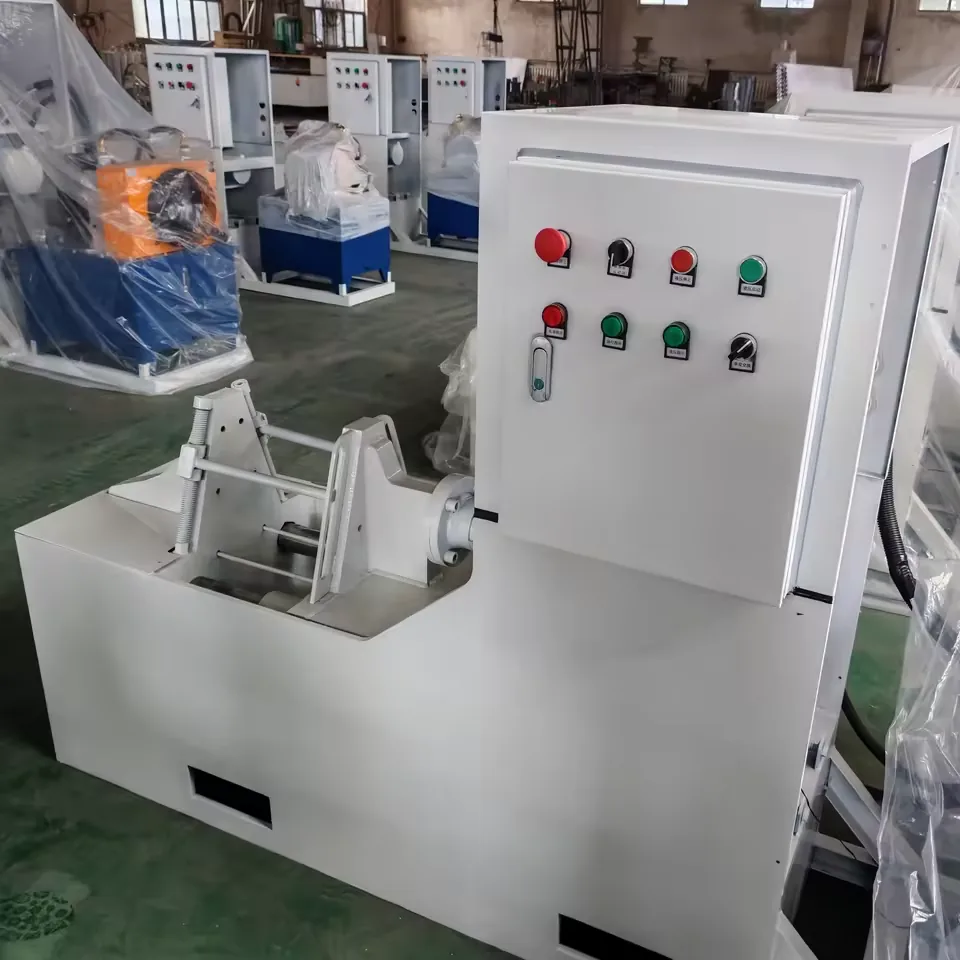
- Sectional screw flights
- Replacement flight segments
- Custom spiral blade production
- Heavy sectional forming
Product data
Product Specifications
| Parameter | Specification |
|---|---|
| Models | HP100, HP140, HP150, HP180 and HP850B |
| Forming route | Hydraulic pressing of individual sectional flight blanks |
| Catalogue maximum thickness | 12–50 mm depending on model; combined working range requires drawing review |
| Hydraulic cylinder | 20–240 t depending on model |
| Catalogue pressure | 20 MPa |
| Tooling input | Blank drawing plus finished OD, ID, pitch, thickness, material and hand |
| Final scope | Machine, controls, tooling and accessories confirmed in the approved quotation |
Workshop reference
Product and process views
Model comparison
| Model | Max thickness | Min ID | Max OD | Max pitch | Mould height | Machine size | Weight | Motor | Cylinder / pressure |
|---|---|---|---|---|---|---|---|---|---|
| HP100 | 12 mm | 10 mm | 450 mm | 600 mm | 180 mm | 2,300 × 490 × 1,400 mm | 0.55 t | 3 kW | 20 t / 20 MPa |
| HP140 | 18 mm | 32 mm | 500 mm | 500 mm | 260 mm | 2,500 × 490 × 1,400 mm | 0.9 t | 4 kW | 30 t / 20 MPa |
| HP150 | 18 mm | 20 mm | 700 mm | 900 mm | 360 mm | 2,550 × 550 × 1,400 mm | 0.95 t | 4 kW | 30 t / 20 MPa |
| HP180 | 25 mm | 60 mm | 1,000 mm | 1,000 mm | 500 mm | 2,900 × 600 × 1,700 mm | 1.85 t | 5.5 kW | 60 t / 20 MPa |
| HP850B | 50 mm | 100 mm | 850 mm | 2,000 mm | 850 mm | Customized | 8.7 t | 18.5 kW | 240 t / 20 MPa |
These are the five HP models with individual pages. The source catalogue also lists HP630, HP650, HP850, HP1200, HP1500, HP2000 and HP180B; those models do not yet have individual pages here. Each maximum and minimum is a separate catalogue reference, not approval for every combination of dimensions and material.
Production route
The machine uses a motor-driven hydraulic forming station to shape individual spiral blade blanks. It is intended for small sectional flight work where each pitch is formed separately and then checked or assembled downstream.
Recorded series configuration
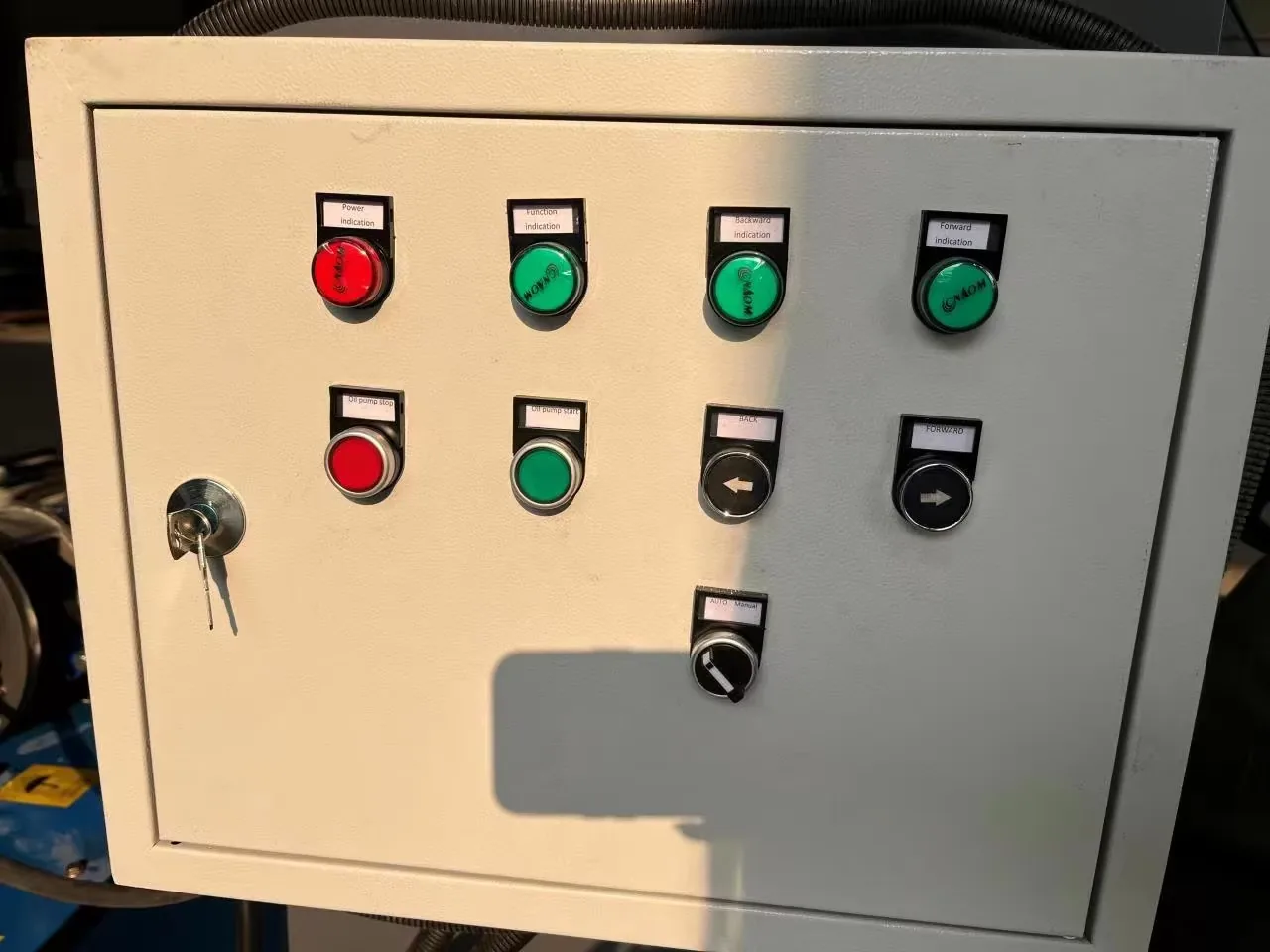
The HP Series catalogue records model-specific motors, hydraulic cylinders, machine sizes, weights, mould heights and 20 MPa pressure. It does not establish a standard supply voltage, oil-tank capacity or control method for these five models. The approved quotation must confirm electrical supply, controls, hydraulic scope, working range and included tooling.
Drawings define tooling
Provide both the flat blank and finished segment drawing. Required inputs include outside diameter, inside diameter, pitch, thickness, material, hand and any inner- or outer-edge feature. Include the smallest, largest and most difficult part planned for the machine.
Installation and production flow
Plan space for blank preparation, loading, forming, dimensional checking and storage of completed segments. Confirm operator access, lifting method, floor condition, electrical connection and the process used to join segments after forming.
Selecting this or the larger press route
Compare HP100, HP140, HP150, HP180 and HP850B by the entire planned segment range, not by a model number or one headline dimension. The separate HS800S hydraulic pressing machine should also be evaluated. Continuous products require a different route such as the cold rolling machine range.
Quote checklist
- Finished flight OD, ID, pitch, thickness and hand
- Flat blank drawing and material grade
- Smallest, largest and most difficult target segment
- Required monthly or batch output
- Destination voltage, phase and frequency
- Included moulds, change parts and trial-material requirement
- Upstream blank preparation and downstream joining plan
- Workshop layout, loading method and operator access
- Required documentation, packing and installation scope
Before quotation
Frequently asked questions
Use these answers as a starting point. Final geometry, material and equipment scope are confirmed from the project information.
How should an HP model be selected?
Compare the complete target range, not one headline diameter. Provide the smallest, largest and most difficult blank together with material, pitch and output requirements.
How is the HP range different from the HS800S?
They are separate machine configurations and should not be treated as direct equivalents. Selection must be based on drawings, tooling, material and required production scope.
What electrical supply is required?
The HP Series model table lists motor power, but does not establish a standard destination voltage and frequency. Confirm electrical details in the quotation.
Is tooling included with the machine?
Tooling scope depends on the target flight range. Send representative drawings so included moulds, change parts and trial requirements can be stated clearly.
What trial material should be prepared?
Trial blanks should match the intended grade, thickness and blank geometry. Material substitution can change forming behaviour and does not prove the final production range.
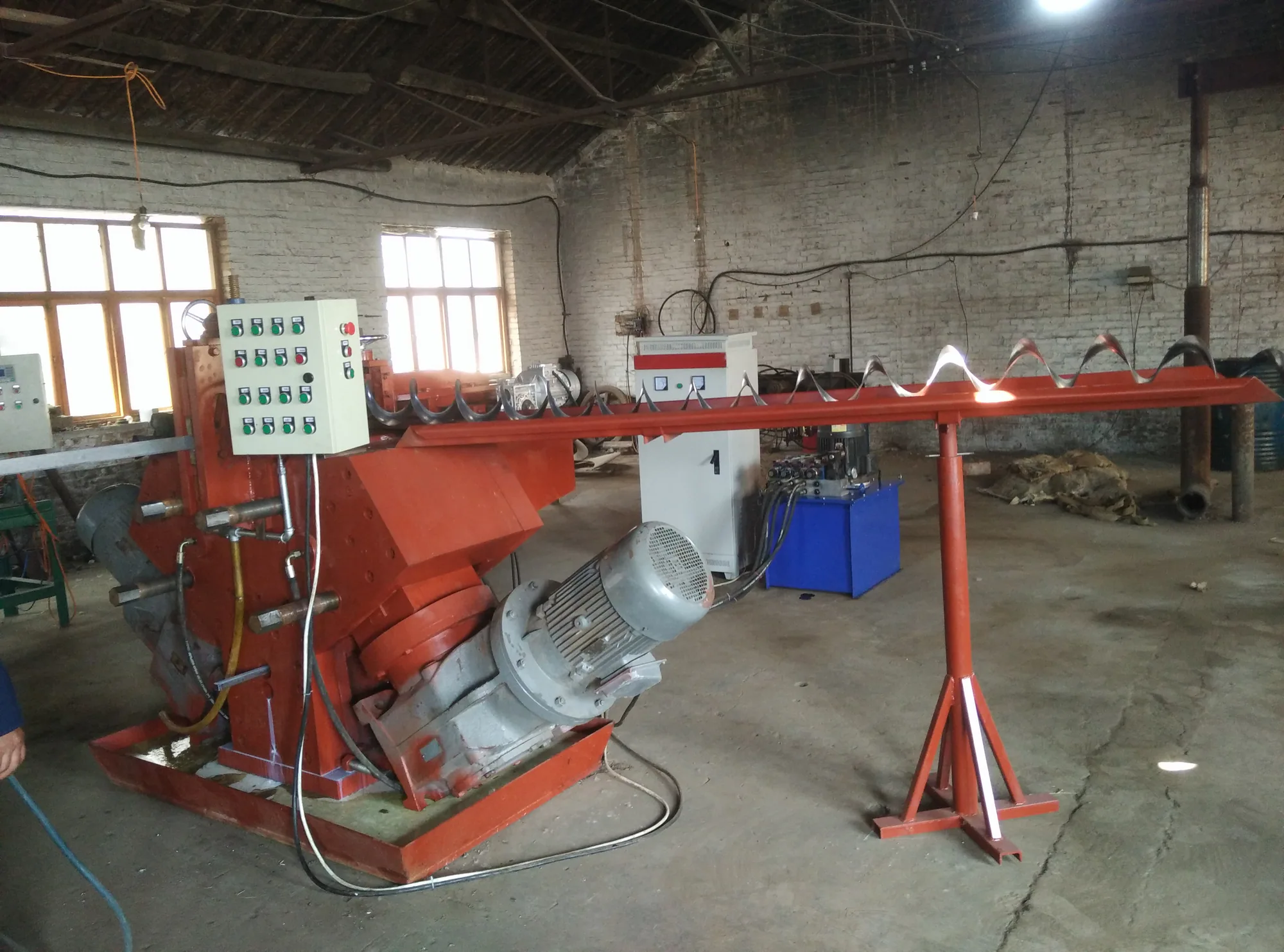
Continuous Screw Flight Cold Rolling Machine
A model-selection page for workshops planning continuous cold-rolled flight production across different strip widths, thicknesses and output targets.
View details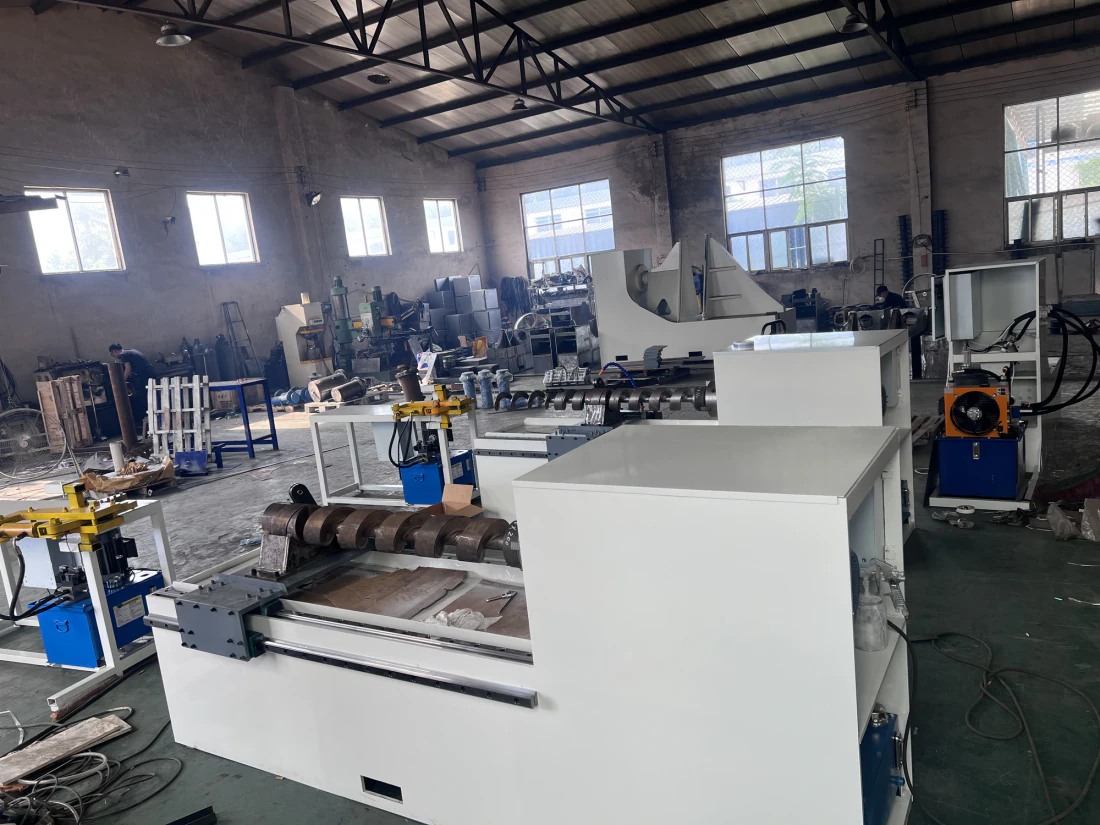
Continuous Screw Flight Winding Machine
Compare HW series mould-winding machines by strip thickness, pitch, outside diameter and maximum strip width.
View details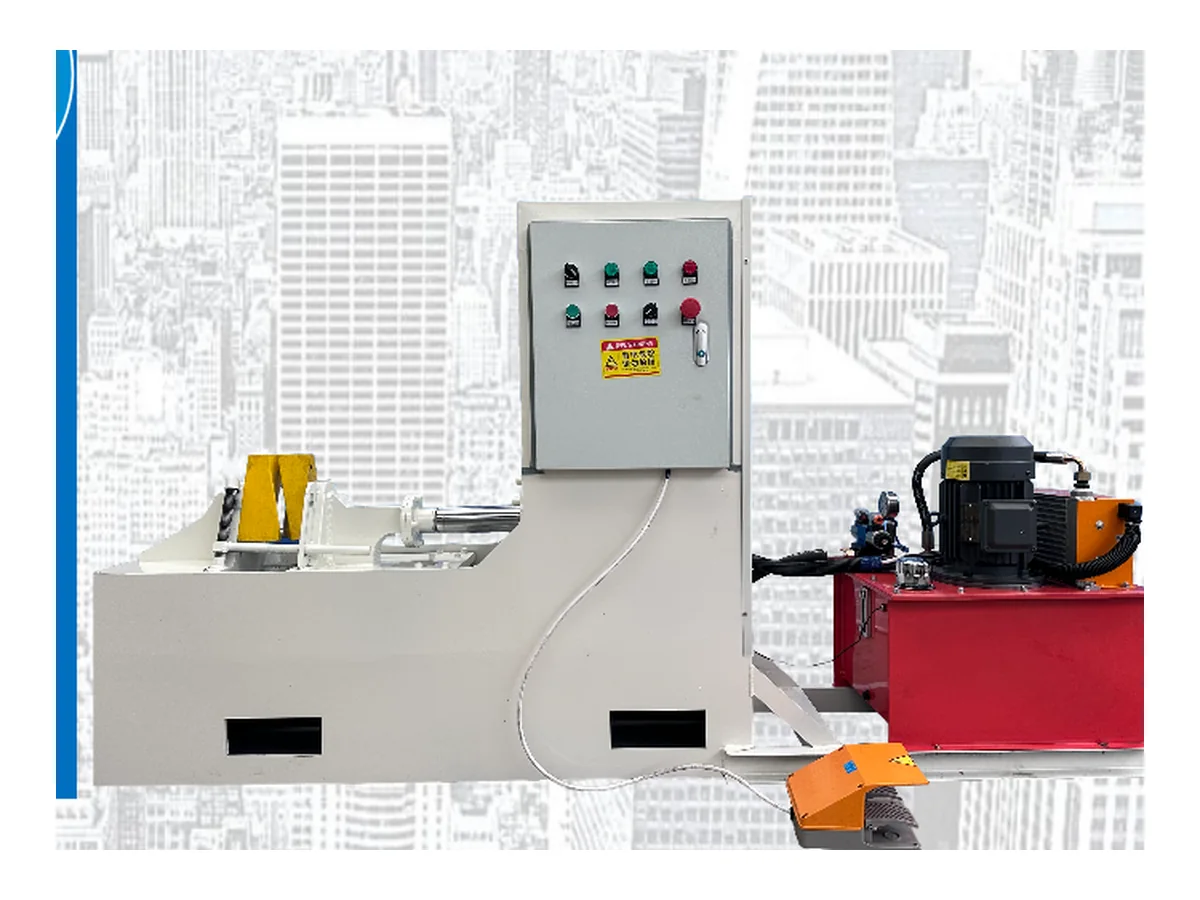
HP100 Sectional Flight Forming Machine
The HP100 catalogue configuration uses a 20-ton hydraulic cylinder and a 3 kW motor for sectional flight forming.
View details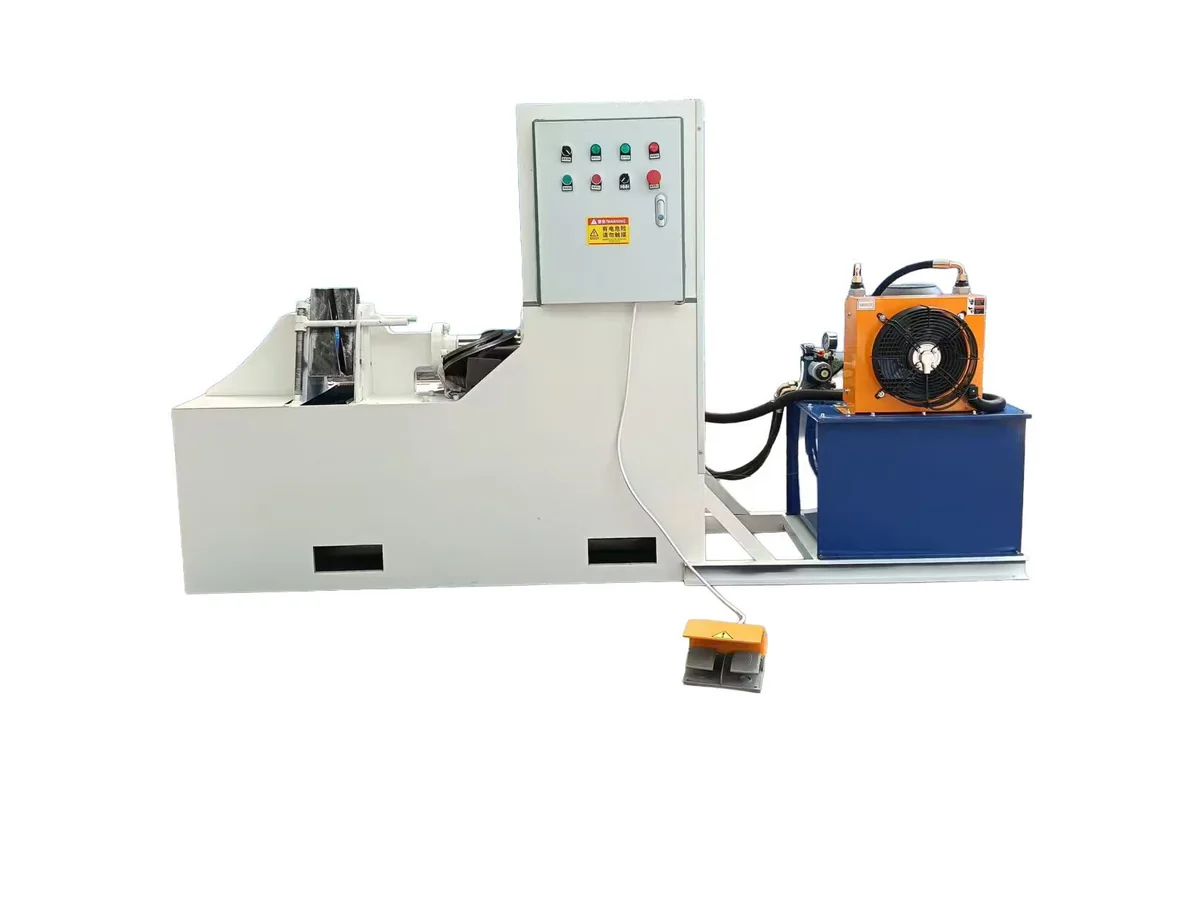
HP140 Sectional Flight Forming Machine
The HP140 catalogue configuration uses a 30-ton hydraulic cylinder and a 4 kW motor.
View detailsEngineering review
Discuss your Sectional Flight Forming Machine Range requirement
Share the diameter, pitch, thickness, material, quantity and application. Our team will review the manufacturing route before quoting.